

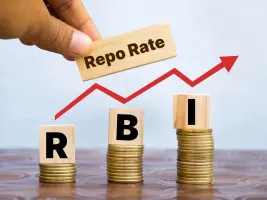
Repo Rate and Its Impact on Your Loan EMIs Explained
When the Reserve Bank of India revises the repo rate, it affects almost every borrower in the country. Homebuyers, business owners, car buyers and even people planning a loan against property suddenly begin to wonder how their EMIs will change. If you are exploring options such as a home loan in Vijayawada or comparing lenders through loan agents in Vijayawada, understanding how the repo rate works can help you make smarter financial decisions.
This blog explains the concept in a practical, simple and highly relevant way.
What Exactly Is the Repo Rate
The repo rate is the interest rate at which RBI lends money to commercial banks. It plays a crucial role in managing inflation, liquidity and the overall cost of borrowing in the economy. Whenever the repo rate changes, banks adjust their lending rates. This is why your loan interest rate and your EMI can move up or down based on RBI’s decision.
How Repo Rate Changes Affect Your EMIs
When the Repo Rate Increases
- Banks borrow at a higher cost.
- Banks increase lending rates.
- Your EMIs increase.
When the Repo Rate Decreases
- Banks borrow at a lower cost.
- Banks reduce lending rates.
- Your EMIs decrease.
This impact is strongest on floating rate loans such as home loans and loans against property.
Why Floating Rate Loans React Faster
Most new home loans today are linked to the Repo Linked Lending Rate or RLLR. This means the interest rate of your loan is directly connected to the repo rate. When RBI changes the repo rate, your loan interest changes quickly and often automatically.
Older loans linked to MCLR (Marginal Cost of Funds Based Lending Rate) or base rate may take longer to reflect these changes because banks revise those periodically instead of instantly.
Why Tracking the Repo Rate Helps Every Borrower
– Better Timing for Loan Applications
A lower repo rate phase usually means lower home loan EMIs. Borrowers planning a home loan in Vijayawada can benefit from applying during such periods.
– Improved Decision Making for Balance Transfers
If the repo rate falls, shifting your loan to a lender offering a lower rate can lead to substantial savings.
– Better Loan Eligibility
Lower interest rates reduce your EMI, which improves your EMI to income ratio and increases your overall eligibility.
– Stronger Long Term Planning
Repo rate cycles help you anticipate future EMI changes and manage your finances smoothly.
How to Manage Repo Linked EMI Changes Smartly
– Maintain a High Credit Score
It helps you secure better rate linked products.
– Understand Your Loan Type
RLLR moves fastest, MCLR adjusts slower and base rate is the slowest.
– Review Your Loan Every Year
Banks sometimes offer internal rate reductions that can reduce your EMI.
– Compare Lenders
Some lenders pass repo changes quicker than others. Many borrowers rely on loan agents in Vijayawada to understand which banks respond fastest.
– Use Prepayments Wisely
Partial prepayments during high rate periods reduce your interest burden over time.
Should You Shift to a Repo Linked Loan
If your current loan is based on an older rate system like MCLR or base rate, moving to a repo linked loan might give you faster and more transparent rate changes. However, switching involves costs such as processing fees or conversion fees, so you should calculate your savings before taking the decision.
Final Thoughts
The repo rate is one of the most important factors influencing your loan EMIs. Whether you are planning to buy a home, refinance an existing loan, or compare borrowing options, understanding how the repo rate works helps you stay prepared for any changes. Borrowers in fast growing markets like Vijayawada can use this knowledge to choose better loan products and avoid unnecessary EMI surprises.